
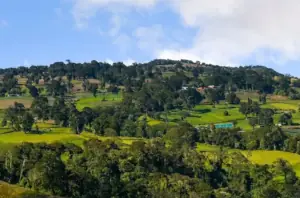
Picture this: it's 7am. You open your laptop to a Google Meet call, and outside your window, a volcano is catching the first light of the morning. Your coffee is already brewing. You're parked at the edge of a national park, and by lunchtime, you'll be hiking a cloud forest trail. By Friday, you'll have moved to the coast.
This isn't a fantasy. This is what working remotely from a campervan in Costa Rica actually looks like, and if you haven't considered it yet, you're leaving one of the most liberating work-from-anywhere setups firmly on the table.
The digital nomad lifestyle has exploded over the last few years, and Costa Rica has emerged as one of the world's top destinations for remote workers.
The country has the infrastructure, the natural beauty, the safety, and crucially the mindset. Pura vida isn't just a saying. It's an invitation to slow down, breathe, and find a better relationship between work and life.
And there is no better way to live that philosophy than from the road, in a campervan, with a different view from your office window every single week.
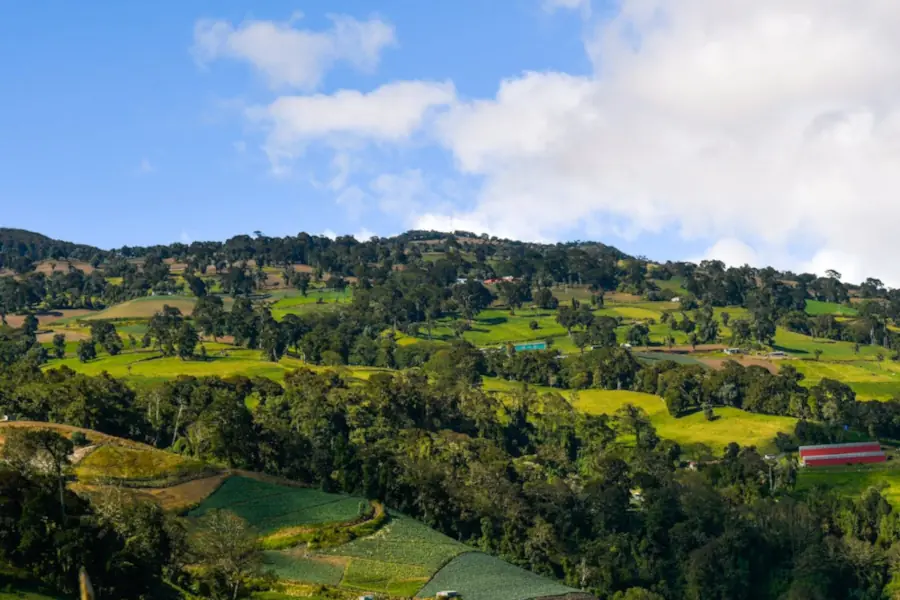
Why Costa Rica Has Become a Digital Nomad Hotspot
Before we talk about the campervan part, let's talk about why Costa Rica has earned its reputation as one of the best countries in the world for digital nomads — because the reasons go well beyond pretty Instagram photos.
The Digital Nomad Visa
In 2021, Costa Rica launched an official Digital Nomad Visa (Rentista Digital), allowing remote workers who earn at least $3,000 USD per month to live and work legally in the country for up to two years. It's one of the most straightforward nomad visa programs in Latin America, and it signals something important: Costa Rica wants you here. The country actively welcomes remote workers and has built its tourism and economic strategy around attracting exactly this kind of long-stay visitor.
Connectivity That Actually Works
One of the biggest concerns for digital nomads considering Latin America is internet reliability. Costa Rica consistently ranks among the best in the region for internet infrastructure. Major cities like San José, Heredia, and Liberia have excellent fiber connectivity, but more importantly for nomads on the move, mobile data coverage (4G LTE) extends across most of the country — including many areas near national parks and popular hiking destinations. With a local SIM card and a solid data plan, staying connected while traveling the country is genuinely feasible.
Safety, Stability & Quality of Life
Costa Rica has been a stable democracy for over 75 years. It abolished its military in 1948 and redirected that budget toward education and healthcare — a decision that shaped the country's character in ways you feel every day. It's consistently ranked as one of the safest and happiest countries in Latin America, with a quality of life that punches well above its economic weight. For digital nomads weighing their options, that kind of stability matters.
The Nature Factor
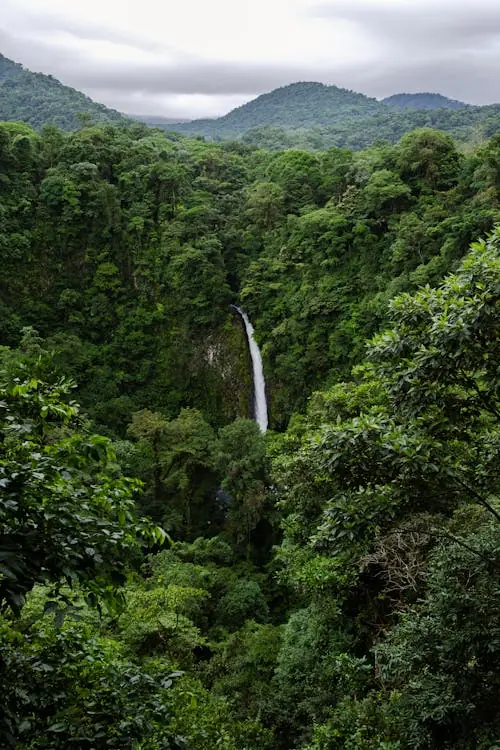
Here's the thing that separates Costa Rica from the co-working-space-and-rooftop-bar nomad circuit: the nature. Over 25% of the country's territory is protected as national parks, reserves, and wildlife refuges. Two coastlines. Twelve climate zones. Active volcanoes. Cloud forests. Coral reefs. When your working week ends on Friday afternoon, the world outside is extraordinary. That matters more than most people admit when choosing where to base themselves.
The Problem With Traditional Nomad Accommodation
Most digital nomads in Costa Rica default to the same setup: rent a furnished apartment in San José or Tamarindo, find a co-working space, and settle in for a month or two. And look, there's nothing wrong with that. It works. But it also means you're stationary. You're tied to one neighborhood, one city, one slice of a country that has an almost absurd amount of variety packed into its 51,000 square kilometers.
The typical nomad apartment setup has other friction points too. Monthly rent in desirable nomad neighborhoods has climbed significantly. Short-term furnished apartments often come with unreliable WiFi. You're beholden to landlords, lease start dates, and the logistical hassle of moving all your gear between accommodations every few weeks. The freedom that drew you to the nomad lifestyle starts to feel oddly constrained.
There's a better way to do this.
Why a Campervan Is the Perfect Digital Nomad Base in Costa Rica
A campervan isn't just transportation. For a digital nomad, it's a complete mobile workspace, bedroom, kitchen, and living space, one that moves exactly when you want it to and stays exactly as long as you need. In a country as geographically diverse as Costa Rica, that's not just convenient. It's transformative.
Total Location Freedom
This is the core of it. With a campervan, your schedule isn't dictated by lease agreements or hotel checkout times. You work from the Pacific coast Monday through Wednesday, then drive to the mountains Thursday afternoon and wake up Friday in the cloud forest. You catch a surf session at a break nobody talks about because you drove past it on Tuesday.
You find a camping spot next to a river and decide to stay three extra days because it's perfect. This kind of spontaneous freedom is impossible with a fixed apartment — and it's exactly what the nomad lifestyle was supposed to feel like.
Your Office Is Always Set Up
One of the underrated advantages of a campervan setup is consistency. Your desk, your chair, your monitors (if you use them), your coffee setup. Everything is always exactly where you left it. There's no unpacking and repacking between Airbnbs. No hunting for the co-working space in a new city. No sitting in a café that turns out to have terrible WiFi and no power outlets. You have a defined workspace that travels with you, and that routine consistency is surprisingly important for productivity on the road.
Work Hard, Then Walk Into a National Park
Here's a daily rhythm that's hard to beat: morning calls and deep work sessions done by noon, then an afternoon hike in a cloud forest, a swim in a waterfall, or an hour on a surf break with nobody else out. The work-life separation that most people spend years trying to engineer in a city is just... built in. Because when your office closes, you step outside and you're already there.
This is the part that nomads who've done the campervan setup in Costa Rica talk about most. Not the cost savings. Not the logistics. The way the days feel. The quality of the hours that aren't work.
The Practical Reality: Can You Actually Work From a Campervan in Costa Rica?
This is the question everyone asks — and the honest answer is yes, with some planning. Here's how it actually works:
Internet & Connectivity
Your connectivity strategy as a campervan nomad in Costa Rica will rely on three layers:
• Local SIM card included with your CostaRider van: We take care of this one for you. Every rental comes with a local SIM card ready to go — no hunting for a phone store on your first day, no confusion about which carrier has the best coverage. Just plug in and connect.
• Portable WiFi hotspot (on request): If your work setup demands a more stable dedicated connection for video calls and heavy uploads, we can include a portable MiFi device with your rental. Just let us know when you book. It's one less thing to figure out on the road.
• Co-working spaces and cafés as backup: For days with heavy call schedules or critical deadlines, use a fixed location. Costa Rica has a solid network of co-working spaces in major towns — they're there when you need them, but you won't need them every day.
The honest caveat: deep in certain national parks or very remote coastal areas, connectivity can be limited. The trick is to plan your heavy-work days around locations with good coverage, and save your off-grid spots for weekends or lighter work days. Most experienced campervan nomads develop a feel for this rhythm within the first two weeks.
Power Management
A properly equipped campervan will have a leisure battery system that keeps your devices charged throughout the day, with solar top-up when you're parked. For digital nomads who run laptops, monitors, and phones, power management is something to discuss when setting up your van, but it's a solved problem for anyone who's done it before. The CostaRiderCampervan team can advise on exactly what setup makes sense for your work requirements.
Time Zones & Calls
Costa Rica operates on Central Standard Time (CST, UTC-6) year-round — no daylight saving changes. This puts it 1–2 hours behind the US East Coast and 6–7 hours behind Western Europe. For US-based remote workers, it's ideal: your mornings are free for deep work before calls begin, and you finish early enough to have real afternoons. For European workers, early morning calls cover overlap hours, leaving the rest of the day entirely yours.
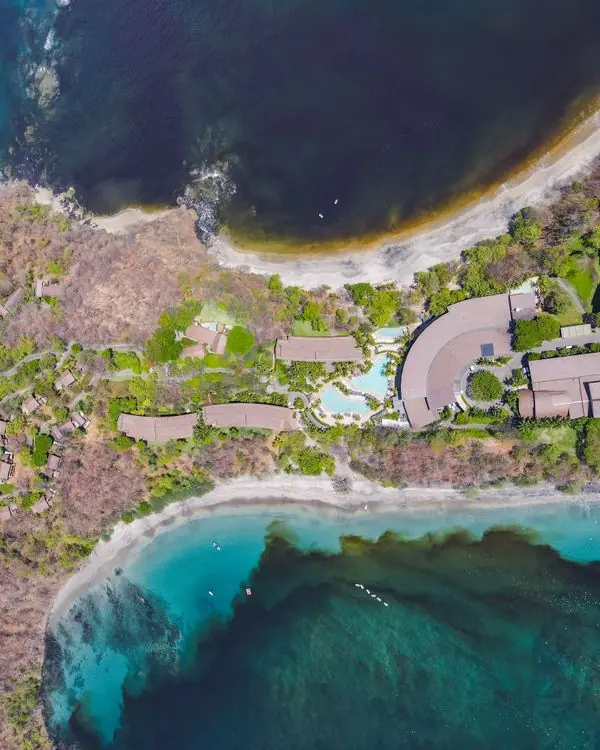
A Week in the Life: Digital Nomad in a Costa Rica Campervan
What does this lifestyle actually look like day to day? Here's a realistic week for a remote worker based out of a campervan in Costa Rica:
• Monday: Parked near Monteverde. Morning deep work session (9am–1pm). Afternoon hike through the cloud forest reserve. Cook dinner watching the mist roll in over the valley.
• Tuesday: Video calls in the morning from a café in Santa Elena with reliable WiFi. Drive toward the Pacific coast in the afternoon. Set up camp near the beach by sunset.
• Wednesday: Full work day from the van, parked with ocean views. Swim at golden hour. Cook fresh fish from the local market.
• Thursday: Lighter work day. Drive north toward Arenal. Arrive in La Fortuna in the early evening. Hot springs after dark.
• Friday: Morning calls wrapped up by noon. Afternoon hike on the Arenal lava fields. Volcano views from camp that evening.
• Weekend: Full off-grid mode. A two-day hiking loop, a surf road trip, or simply staying put because where you are is already perfect.
This is not a curated highlight reel. This is Tuesday. This is what the week looks like when your home moves with you through one of the most beautiful countries on Earth.
Frequently Asked Questions: Digital Nomad Life in Costa Rica
Is Costa Rica good for digital nomads?
Yes, consistently ranked as one of the best countries in Latin America for remote workers. Strong internet infrastructure, a digital nomad visa, political stability, and extraordinary natural beauty make it a top choice for location-independent professionals.
How much does it cost to live in Costa Rica as a digital nomad?
Costs vary widely by lifestyle. A comfortable nomad life in San José or a beach town typically runs $2,000–$3,500 USD per month including accommodation, food, transport, and co-working.
Can you get a digital nomad visa for Costa Rica?
Yes. Costa Rica's Digital Nomad Visa (Rentista Digital) allows remote workers earning at least $3,000/month to live and work legally in the country for up to two years, with the option to extend. It also covers immediate family members.
Is it safe to visit Costa Rica as a foreigner?
Costa Rica is generally considered one of the safest countries in Latin America, with a long history of democratic stability, no military, and a strong culture of welcoming foreigners. Like anywhere, common-sense precautions apply, but expats and nomads consistently report feeling safe and welcome.
What's the internet like outside of San José?
4G LTE coverage is surprisingly good across most of Costa Rica, including popular tourist areas, beach towns, and regions near national parks. Very remote areas and deep wilderness have limited coverage, but for most nomads combining work days with adventure days, connectivity is rarely a serious obstacle with the right SIM card and data plan.
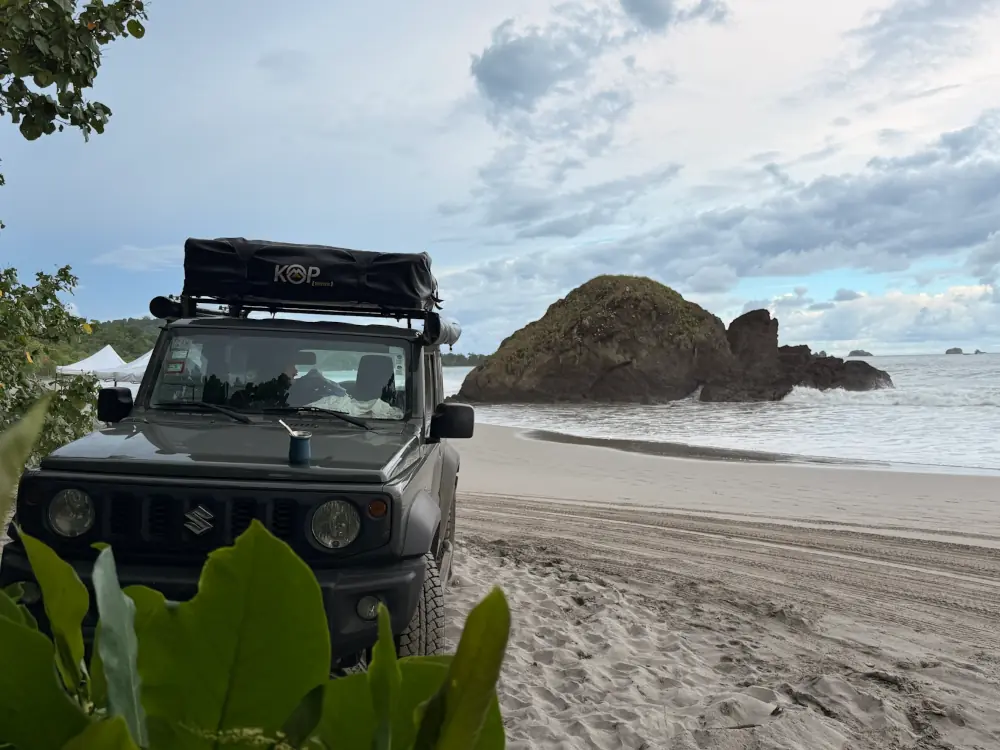
The Freedom You Moved for Is Out There — It's on the Road
Most people become digital nomads because they want freedom. Real freedom, not just the freedom to work from a different coffee shop in a different city. The freedom to wake up somewhere extraordinary. To earn a living and still have a life. To not have to choose between doing meaningful work and seeing the world.
Costa Rica from a campervan is that freedom, fully realized. It's the digital nomad experience stripped of the compromises: the okay apartments, the unreliable Airbnbs, the week you spent in a city you didn't even like because you'd already paid the lease. It's replaced with volcanoes and cloud forests and Pacific sunsets and the very particular peace that comes from knowing that tomorrow, if you want, you can simply drive somewhere new.
At CostaRider Campervan, we set up remote workers with fully equipped vans ready for life on the road in Costa Rica. Whether you're here for two weeks or two months, we'll help you build a setup that makes the work easy and the adventure inevitable. Get in touch and let's talk about what your version of this looks like.